DIY, Handyman or Specialist? Drain Options in Penha Compared
When the kitchen sink starts gurgling or the bathroom floor drain backs up, the first instinct for most residents in Penha is to grab a plunger and hope for the best. It is cheap, immediate, and sometimes it actually works. But before you spend an afternoon wrestling with a clog that keeps returning, it helps to compare the four realistic routes available in this part of São Paulo: doing it yourself, calling a neighborhood handyman, hiring a general plumber, or bringing in a dedicated desentupidora Penha São Paulo SP. Each option has a different cost, speed, and risk profile, and the right choice depends on what is actually blocking your pipe.
Option 1: The DIY Plunger and Auger Route
For a slow-draining sink or a toilet that clogs after too much paper, a plunger is still a sensible first move. A cup plunger works on flat surfaces like kitchen and bathroom sinks, while a flange plunger is designed for toilets. If the plunger fails, a manual drain auger (also called a snake) can reach 5 to 10 meters into a branch line and break up soft blockages such as hair, soap scum, or food residue. These tools cost little and can be reused for years.
The trade-off is physical effort and limited reach. A hand auger will not clear a main sewer line, and it cannot remove grease that has hardened into a solid mass or roots that have entered older clay pipes. There is also a real risk of damage: aggressive plunging on a weak joint or an old trap can loosen fittings, and forcing a snake through a pipe with a sharp bend can scratch the interior. If the water backs up in more than one fixture at the same time, the blockage is likely deeper than any DIY tool can reach.
When DIY makes sense
- A single fixture drains slowly and the clog is recent.
- You can see or feel the blockage near the drain opening.
- There is no sewage smell or backup in other rooms.
When to stop and call for help
- Water rises in the shower when you flush the toilet.
- The same drain clogs again within days.
- You hear gurgling from other fixtures after using the sink.
Option 2: The Neighborhood Handyman
Every Penha neighborhood has a trusted handyman who fixes leaks, replaces taps, and is often willing to try unclogging a drain. The advantage is familiarity and flexibility: he may come on short notice, charge a modest fee, and handle small repairs around the same visit. For a simple blockage in a ground-floor kitchen or a bathroom sink, this can be a practical middle ground between DIY and a full plumbing company.
The limitation is equipment and liability. Most handymen carry a basic snake and plunger but not a high-pressure jetting machine or a camera inspection tool. They also may not carry insurance for water damage if a pipe bursts during the attempt. If the clog turns out to be in the building’s main line, the handyman will likely refer you to a specialist anyway, and you will have paid twice. Ask upfront whether he has worked on sewer lines in older Penha buildings, many of which have cast-iron or clay pipes that need gentle handling.
Option 3: A General Plumber
A licensed plumber is the right call when the problem might be structural: a broken pipe, a collapsed joint, a faulty trap, or a blockage that keeps returning because the pipe itself is damaged. Plumbers can diagnose and repair, not just clear. They typically charge more than a handyman but less than an emergency drain specialist, and they are the correct choice if you suspect the clog is a symptom of a bigger plumbing issue.
The catch is scheduling and scope. Many general plumbers work business hours and may not prioritize a drain emergency at 11 p.m. on a weekend. They also may not carry a hydro-jetting unit, which is often the only effective way to remove grease, scale, or roots from a long horizontal run. If the plumber arrives, diagnoses a main-line blockage, and does not have the equipment to clear it, you will need to escalate to a dedicated desentupidora Penha anyway. That is not a failure of the plumber; it is simply a different tool for a different job.
Option 4: A Dedicated 24h Desentupidora
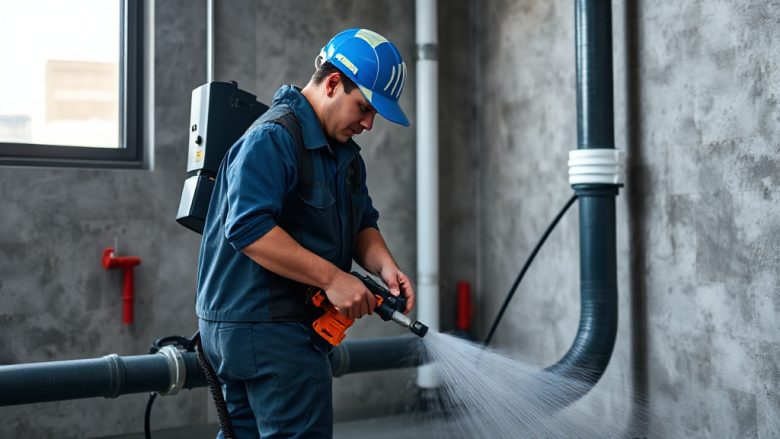
A company that specializes in drain and sewer clearing brings the equipment that the other three options lack: motorized augers, high-pressure hydro-jetting machines, and cameras that can inspect the inside of the pipe before and after the work. This matters in Penha because the neighborhood mixes older residential buildings with commercial kitchens and condominiums, and the causes of blockages vary widely. Grease from a restaurant, roots in a garden line, and collapsed clay tiles all require different approaches.
The main trade-off is cost and the risk of choosing a poorly qualified provider. A dedicated desentupidora em Penha São Paulo SP will usually charge more than a handyman for a simple job, but the price reflects equipment, insurance, and availability. The real value shows up when the problem is urgent: sewage backing up into a ground-floor apartment at night, or a condominium garage drain that cannot wait until morning. For those situations, a 24-hour team is the only option that actually solves the problem on the spot.
What to ask before booking
- Do you carry a hydro-jetting machine and a camera, or only a manual snake?
- Is the price fixed per visit, or does it change based on depth and time?
- Do you provide a written report or before-and-after footage?
- Are you insured for water damage inside the property?
Which Option Fits Your Situation?
The honest answer is that most Penha residents will use more than one of these routes over time. A plunger for a hair clog, a handyman for a slow kitchen sink, a plumber for a leaking joint, and a dedicated drain company for a main-line emergency. The mistake is treating them as interchangeable. Using a plunger on a blocked sewer main wastes time and can make the backup worse. Calling an emergency specialist for a single slow sink is expensive and unnecessary.
A simple rule of thumb: if the blockage is in one fixture and responds to a plunger, stay DIY. If it returns within a week or affects multiple fixtures, move up to a plumber or a drain specialist. If there is sewage visible, a strong smell, or water rising in places it should not, skip the intermediate steps and call a 24-hour team. That decision saves money in the long run because it avoids repeated visits and prevents damage to floors, walls, and neighboring units.
For residents who want a single point of contact that can handle both routine clearing and emergency call-outs, the dedicated route is the most predictable. It is not the cheapest per visit, but it is the one that comes with the equipment to finish the job the first time. Weigh the cost against the consequences of a failed attempt, and choose the option that matches the scale of the problem rather than the size of the initial bill.